
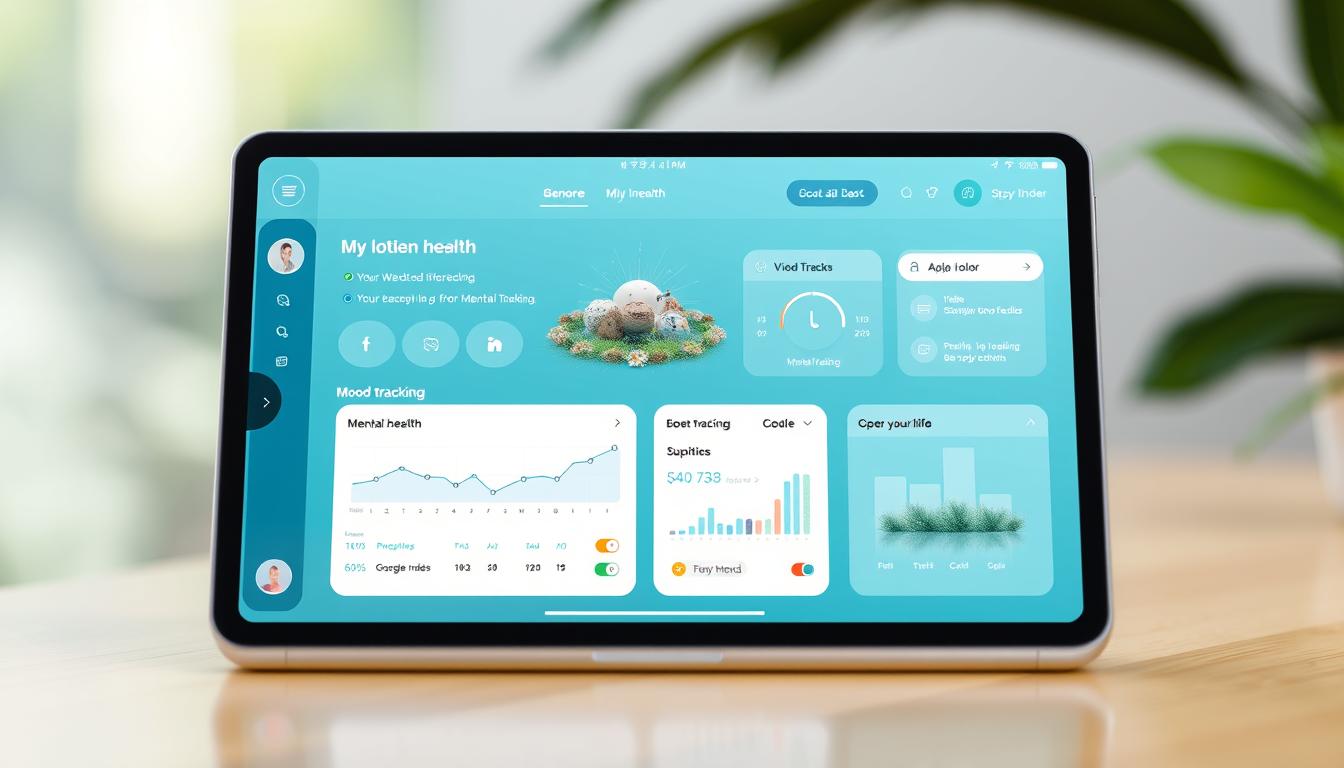
The world of mental health is evolving quickly. Digital tools are changing how we view wellness and treatment. In 2024, mental health software will play an even bigger role. This guide explores the latest tech that’s changing care.
From apps that track moods to virtual reality therapy, the choices are growing. We’ll look at how these digital solutions are making a difference. Get ready to learn about the tools that are changing lives and making care more accessible.
The future of mental healthcare is here. Let’s dive into the software leading the way in 2024. We’ll examine features, trends, and their impact on patients and providers. It’s time to see how technology is reshaping mental wellness for all.
Table of Contents
Key Takeaways
- Digital mental health tools are becoming mainstream in 2024
- Mental health software is improving access to care
- Virtual reality is a game-changer for therapy
- Mood tracking apps are helping patients monitor their wellness
- Software is enhancing communication between patients and providers
- Data-driven insights are personalizing mental health treatment
- Privacy and security remain top priorities in mental health tech
The Evolution of Digital Mental Health Solutions
The world of mental health care has changed a lot lately. Digital solutions have become key in making mental health support easier to get.
From Traditional Therapy to Digital Platforms
Now, we see more online therapy than in-person sessions. This change makes it easier to get help, no matter where you are. You can use apps, chatbots, and more to find support.
The Impact of COVID-19 on Mental Health Technology
The pandemic really pushed mental health tech forward. With everyone staying home, we needed ways to get help online. This need led to fast growth in digital mental health tools.
Current Market Trends and Growth Projections
The digital mental health market is growing fast. More money is going into startups in this field. New tech like AI is making these tools better, offering care that fits each person’s needs.
| Year | Market Value (USD) | Growth Rate |
|---|---|---|
| 2020 | $1.5 billion | – |
| 2021 | $2.3 billion | 53.3% |
| 2022 | $3.8 billion | 65.2% |
| 2023 (Projected) | $5.7 billion | 50% |
As digital mental health keeps improving, it’s set to change how we care for our minds. It will make getting help easier, more personal, and more effective for many people around the world.
Essential Features of Modern Mental Health Software
Mental health software has changed a lot to meet the needs of patients and doctors. Today, it has many features to help improve care and results.
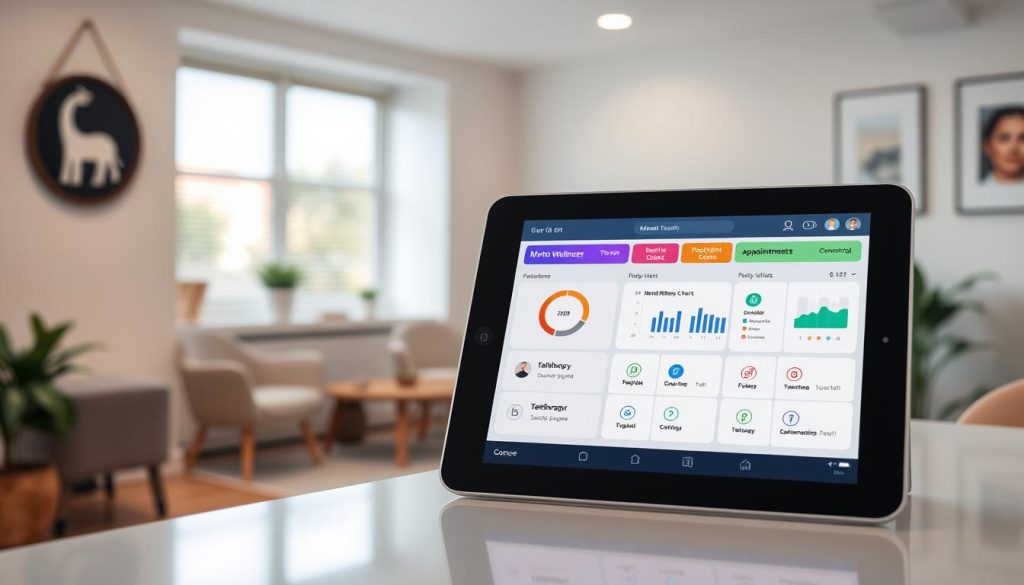
User-friendly interfaces are key for both doctors and patients. They make it easy to use and keep people engaged. Many programs let users change their dashboards to fit their needs.
Being able to connect with other systems is important. Mental health software often links with electronic health records and billing systems. This makes care better and cuts down on paperwork.
Data analytics tools are a must for tracking mental health. They help doctors see how patients are doing, spot patterns, and make better choices.
| Feature | Benefit |
|---|---|
| Teletherapy | Improved access to care |
| Mood tracking | Better symptom management |
| Appointment scheduling | Increased efficiency |
| Secure messaging | Enhanced communication |
Being able to customize is crucial in mental health software. It lets doctors make plans and interventions that fit each patient’s needs. Some programs even use AI to make things more personal, based on how users act and what they like.
Keeping patient data safe is a top priority. Strong encryption, two-factor authentication, and following HIPAA rules protect patient information. This builds trust and helps patients and doctors talk openly.
Virtual Reality Applications in Mental Health Treatment
Virtual reality (VR) is changing mental health tech. It offers new ways to treat and help people. This tech creates real-like environments where patients can face their fears and learn to cope.
VR Exposure Therapy Solutions
VR therapy is great for treating phobias and anxiety. Patients can safely face their fears in a controlled space. For instance, someone afraid of flying can practice getting on a virtual plane.
Mindfulness and Meditation in Virtual Environments
Virtual spaces are perfect for mindfulness and meditation. They offer calm places like beaches and forests. These digital escapes help people focus and relax, making meditation easier for beginners.
Training and Simulation for Mental Health Professionals
VR is also a great tool for training mental health workers. It lets them practice with simulated patients. This helps them improve their skills and care for patients better.
“VR therapy has opened new doors in mental health treatment, offering immersive experiences that were once impossible in traditional settings.”
VR therapy is growing and will change mental health care. It offers effective, engaging, and easy-to-access treatments for many conditions.
Mental Health Tracking and Analytics Tools
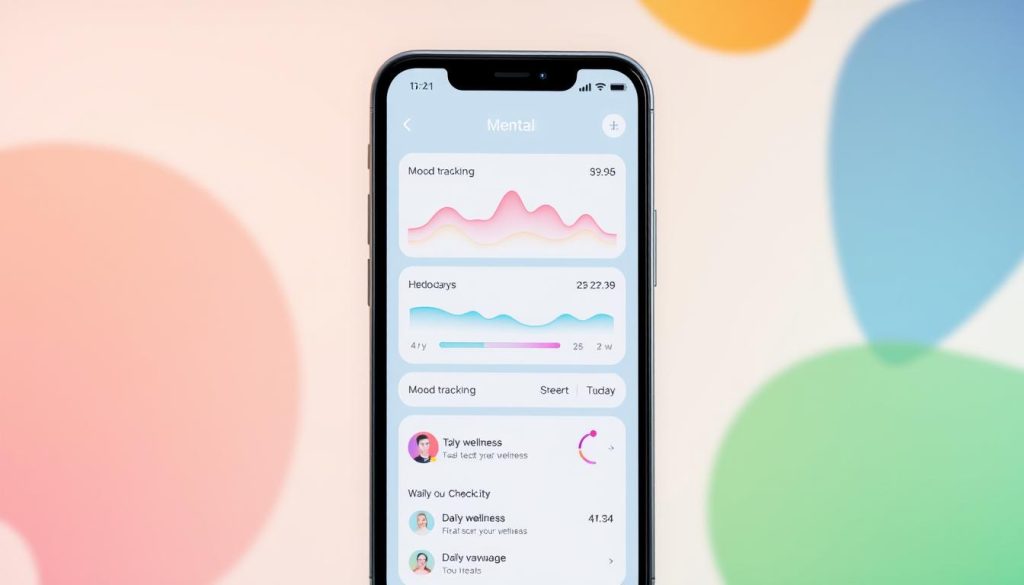
Digital mental health solutions have changed how we track and manage our mental health. Tools for tracking mental health give us deep insights into our emotional patterns and how treatments are working. These tools help both patients and doctors make care decisions based on data.
Mood and Symptom Monitoring
Today’s apps let users record their moods, feelings, and symptoms every day. This regular tracking helps spot what causes problems and patterns. Some key features include:
- Customizable mood scales
- Symptom checklists
- Journal entries
- Activity logs
Progress Tracking and Reporting
Tools for tracking mental health create visual reports to show how we’re doing. These reports keep patients motivated and let therapists tweak treatment plans. Common features include:
| Feature | Benefit |
|---|---|
| Trend graphs | Visualize mood changes over time |
| Goal trackers | Monitor achievement of therapy objectives |
| Medication adherence logs | Track consistency in taking prescribed medications |
Data-Driven Treatment Insights
The data from digital mental health platforms leads to more tailored care. Doctors can use this data to:
- Identify early warning signs of relapse
- Tailor interventions to individual needs
- Measure the effectiveness of different treatments
As mental health tracking tech gets better, it’s set to change mental healthcare. It will make care more responsive and effective for people all over the world.
Security and Privacy Considerations in Mental Health Tech
Mental health software is becoming more common. It’s vital to protect patient data. Companies must focus on security to keep trust and follow rules.
Encryption is a strong defense against data breaches. It keeps sensitive info safe when stored or sent. Adding multi-factor authentication stops unauthorized access, even if passwords are stolen.
Regular security checks find weak spots in mental health software. These tests show vulnerabilities before hackers do. It’s key to stay current with security threats to keep data safe.
“Privacy is not just a legal requirement, it’s a fundamental aspect of mental health care.”
HIPAA compliance is a must for mental health tech in the U.S. This law sets rules for protecting patient health info. Following HIPAA ensures mental health software meets legal and ethical standards.
| Security Measure | Purpose | Implementation |
|---|---|---|
| Encryption | Protect data from unauthorized access | Use AES-256 encryption for all stored data |
| Multi-factor Authentication | Prevent unauthorized logins | Require two-step verification for all user accounts |
| Regular Audits | Identify and address vulnerabilities | Conduct quarterly security assessments |
| HIPAA Compliance | Meet legal and ethical standards | Implement required safeguards and policies |
By focusing on these security steps, mental health tech builds trust. It keeps patient info private. This dedication to privacy is crucial for digital mental health solutions to grow.
Integration of Mental Health Software in Clinical Practice
Bringing mental health software into clinics is a big step forward for patient care. As digital tools become more common, clinics need to integrate them well with their systems. This makes patient care better.
Implementation Strategies
Clinics can start by choosing a few key features to try first. This approach helps staff get used to new tools without feeling too much stress. Gradually adding more features helps work out any problems before going full speed ahead.
Staff Training and Adoption
It’s important to get staff on board with new tools. Hands-on training and clear guides can help staff feel confident. When staff see how these tools make their jobs easier, they’re more likely to use them often.
Measuring ROI and Treatment Outcomes
To show the value of mental health software, clinics need to track important numbers. This could be patient satisfaction, appointment no-show rates, or time saved on paperwork. Seeing better treatment outcomes, like fewer hospital stays, shows the real benefit of digital tools for patient health.