

In the fast-changing world of digital art, a new technology has appeared: AI text to image generation. This tech uses artificial intelligence to turn written descriptions into unique, stunning images. But have you ever thought about how this magic happens and how it’s changing how we make and see art?
Table of Contents
Key Takeaways
- AI text to image technology uses machine learning and neural networks to create unique visual art from text prompts.
- Diffusion models are a key part in the text-to-image process, turning words into detailed images.
- Top AI art platforms like Stable Diffusion and DALL-E offer powerful tools for creators to explore generative AI’s endless possibilities.
- Learning to craft good prompts is key to getting the most out of AI text to image generation.
- It’s important to think about legal and ethical issues as AI-generated art becomes more common.
Understanding AI Text to Image Technology
Artificial intelligence (AI) has changed how we make and see visual art. At the heart of this change are neural networks and machine learning. These tools have made text-to-image systems possible.
How Neural Networks Process Text Prompts
Neural networks, like the human brain, turn text into beautiful images. They learn from huge amounts of data. This lets them understand the connection between words and pictures.
By looking at text, neural networks can make images that are both beautiful and meaningful.
The Role of Machine Learning in Image Generation
Machine learning helps neural networks make images from text. These algorithms get better with more data. They learn to create images that match what the text says.
Through practice, machine learning models get better at understanding the link between words and pictures.
Evolution of Text-to-Image Systems
The history of text-to-image systems is exciting. It has grown from simple systems to advanced ones like GANs and diffusion models. These advancements have made images look more real and have opened up new uses for this technology.
| Technology | Description | Key Capabilities |
|---|---|---|
| Neural Networks | Artificial neural networks inspired by the human brain, capable of learning patterns and associations from data. | Text understanding, image generation, and translation between language and visual elements. |
| Machine Learning | Algorithms that learn from data and improve their performance on a specific task over time. | Iterative training, model refinement, and optimization of text-to-image generation. |
| Generative Adversarial Networks (GANs) | A type of machine learning model that pits two neural networks against each other, leading to the generation of more realistic images. | Generating high-quality, photorealistic images from text prompts. |
| Diffusion Models | A class of generative models that learn to generate images by gradually removing noise from a random input. | Producing diverse and coherent images that align with text descriptions. |
Text-to-image systems have become very advanced thanks to neural networks and machine learning. They can now turn words into amazing pictures. As this technology gets better, so will our ability to create and use it.
Popular AI Text to Image Platforms and Tools
In the fast-changing world of AI, text-to-image platforms are changing the game. They let users turn their ideas into stunning visuals. These AI art generators have caught the eye of creators, artists, and dreamers everywhere. Let’s dive into some top platforms in this exciting field.
DALL-E 2 from OpenAI is a big name in AI art. It can make images that look very real from just text. This has raised the bar for AI art.
Midjourney is known for its unique, dreamy art. Its AI turns simple ideas into amazing visuals. It’s a hit with artists who love to explore new art styles.
- Stable Diffusion: A strong open-source AI model that makes great images from text. It’s a good choice for those who want control over their art.
- Imagen: Google’s text-to-image model is known for its detail and understanding. It’s great for many kinds of visual projects.
- Anthropic’s DALL-E: This AI art generator is famous for its beautiful and thought-provoking images.
These platforms and tools are at the forefront of creativity. They let users bring their wildest ideas to life. As AI keeps getting better, the future of art looks incredibly bright.
“The future of art is not in the hand of the artist, but in the mind of the machine.”
How Diffusion Models Transform Text Into Visual Art
Diffusion models are at the core of AI art’s big leap forward. They change text prompts into amazing visual art. This is thanks to the natural process of diffusion, which these models use to create new art.
Understanding Latent Diffusion Process
The latent diffusion process starts by adding noise to an image until it’s unrecognizable. Then, the model learns to “unscramble” this noise. This lets it turn text prompts into unique and beautiful images.
The Mathematics Behind Image Generation
Diffusion models use Bayes’ theorem and probability theory. They model the forward diffusion process and then reverse it. This way, they can guess the most likely image for a text prompt. It’s a complex process that connects language and visual art.
Real-world Applications of Diffusion Models
Diffusion models are not just for art. They can change product design, architectural visualization, and medical imaging. They make it easy to turn ideas into pictures. As they get better, they’ll open up endless possibilities for creating and using visual content.
“Diffusion models have the power to unlock new frontiers in AI-generated art, blending the creative potential of language with the visual appeal of captivating imagery.”
Mastering Prompt Engineering for Better Results
In the world of AI-generated art, the secret to amazing results is prompt engineering. Making precise and detailed prompts is key to getting what you want. By getting good at this, you can make AI art that matches your dreams.
Good prompt engineering needs a few important things. First, be very specific. Tell the AI what you want in clear terms, like style, subject, colors, and mood. Don’t use vague words, as they can mess up the outcome.
- Use clear and powerful words to tell the AI what to do.
- Try different words and phrases to make your prompts better.
- Use specific art styles or techniques to guide the AI.
It’s also important to know what the AI can and can’t do. Each AI model is different, so learn about its strengths and weaknesses. This helps you make better prompts for it.
| Successful Prompt Example | Unsuccessful Prompt Example |
|---|---|
| A stunning digital painting of a majestic white dragon soaring through a vibrant, ethereal landscape, with iridescent scales and piercing eyes, in the style of Impressionist art. | Dragon |
By mastering prompt engineering, you open up a world of creative possibilities. Always keep trying and tweaking your prompts until you get what you want. This way, you’ll make amazing AI art every time.
“The quality of the prompt is the single most important factor in determining the quality of the AI-generated image.”
Exploring Stable Diffusion and DALL-E Capabilities
In the fast-changing world of AI art, Stable Diffusion and DALL-E stand out. These tools are changing how we make and see art. They mix tech and creativity in new ways.
Comparing Leading AI Art Generators
Stable Diffusion and DALL-E come from Anthropic and OpenAI. They have different features for various users. Both use AI to turn text into images, but they do it in their own ways.
| Feature | Stable Diffusion | DALL-E |
|---|---|---|
| Image Quality | Exceptional detail and realism | Highly polished and visually appealing |
| Prompt Flexibility | Broad range of text prompts accepted | Specific prompt formatting required |
| Accessibility | Open-source and freely available | Requires an invitation or paid subscription |
| Use Cases | Suitable for both personal and commercial projects | Primarily focused on commercial and marketing applications |
Key Features and Limitations
Stable Diffusion and DALL-E each have their strengths and weaknesses. Stable Diffusion is open-source and accepts many text prompts. It’s great for artists and hobbyists. DALL-E, on the other hand, is known for its polished images and is best for businesses.
Cost and Accessibility Factors
The cost and access to these AI art generators differ. Stable Diffusion is free for anyone to use. It’s open to all. DALL-E, however, requires a subscription. It’s mainly for professionals and businesses.
As AI art grows, Stable Diffusion and DALL-E will keep shaping art. Knowing their differences helps artists, designers, and businesses use AI for creativity.
Best Practices for AI Text to Image Creation
Making stunning AI art is more than just writing a good prompt. Learning AI art best practices and image generation techniques is key. Here, we’ll share strategies to boost your AI creative journey.
Optimize Your Prompts
Your AI image’s success begins with your prompt. Try different words and descriptions to get the look you want. Know each AI platform’s strengths and limits to make your prompts better.
Understand Style Preferences
AI models have their own styles. Study the images they make to learn their strengths. This helps you create art that fits your vision and uses the AI’s best features.
Embrace Iterative Refinement
Creating great AI art takes time and effort. Be ready to try, refine, and repeat your prompts. Use your AI platform’s tools to tweak every detail of your image.
| Key Tips for AI Art Best Practices | Importance |
|---|---|
| Optimize Prompts | Crafting well-structured prompts is the foundation for high-quality AI-generated art. |
| Understand Style Preferences | Leveraging the unique strengths of each AI art platform can lead to more compelling visuals. |
| Embrace Iterative Refinement | Experimentation and continuous improvement are crucial for achieving your artistic vision. |
By using these tips, you can fully use AI text to image tech. You’ll make stunning art that shows off your creativity.
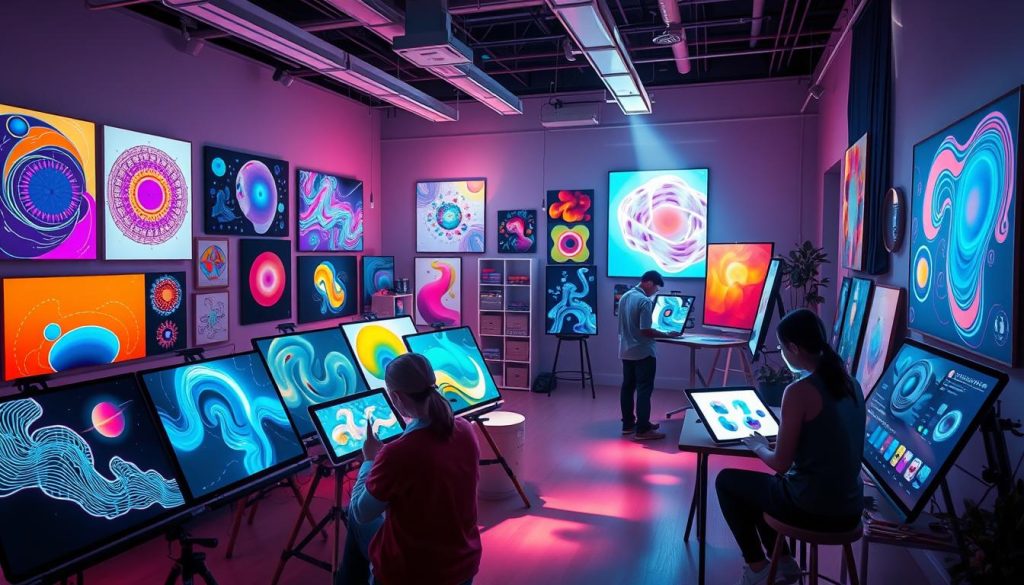
“The best AI-generated art is the result of a collaborative dance between human creativity and machine intelligence.”
Legal and Ethical Considerations in AI Art Generation
AI art is getting more advanced, and so are the legal and ethical issues it raises. The debate over who owns AI art, and how it should be used, is growing. This technology has brought up questions about copyright, intellectual property, and its responsible use.
Copyright and Ownership Issues
Copyright and ownership are big concerns in AI art. When an AI creates an image from a text prompt, it’s unclear who owns it. This raises questions about who has the rights: the AI creator, the person who gave the prompt, or the AI itself.
Understanding these legal gray areas is key as AI art becomes more common. It will affect many industries and creative fields.
Ethical Use of AI-Generated Images
The ethical use of AI images is also a big issue. There’s worry that these tools could be used to make fake or misleading content, known as “deepfakes.” It’s important to use AI art responsibly to keep trust and stop misinformation.
Creating rules and guidelines for AI art is essential. This will help address these challenges and ensure its use is ethical.
As AI art grows, both legal and ethical issues will be crucial. Finding a balance between innovation and responsible use is a big challenge. Developers, policymakers, and the creative community must work together to navigate this.
| Issue | Consideration |
|---|---|
| Copyright and Ownership | Ambiguity around who holds the rights to AI-generated artwork: AI developer, user, or the AI system itself. |
| Ethical Use | Concerns about the potential for AI-generated images to be used for creating false or misleading content (deepfakes). |
Future Developments in Text-to-Image Technology
The field of AI art is growing fast. Experts say the future of text-to-image tech is very promising. They believe machine learning and neural networks will change how we make and enjoy digital art.
More advanced diffusion models are on the horizon. These models, like Stable Diffusion and DALL-E, will get better at creating images. Researchers are working hard to make these models more efficient and versatile.
Also, making AI art tools easier to use is a big goal. As AI art gets better, more people will be able to use these tools. This will help in marketing, design, and even personal projects.
But, there are also big questions about ethics and law. We need to talk about copyright, ownership, and how to use these technologies responsibly. These discussions will shape the future of text-to-image art.
The future of text-to-image tech is full of possibilities. We can expect big changes in machine learning and how we use creative tools. The next few years will bring exciting new ways to create and enjoy digital art.
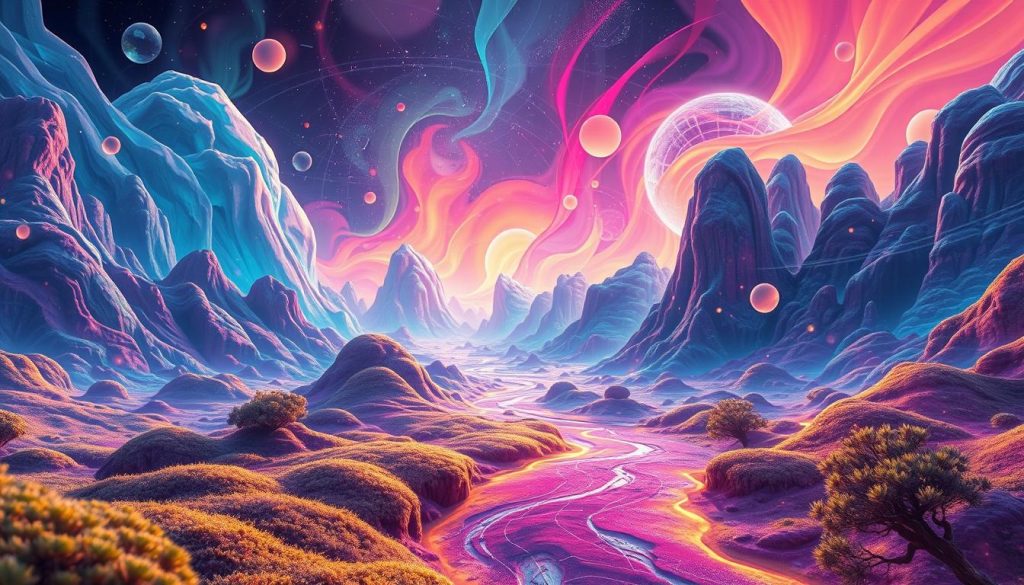
“The future of text-to-image technology is a canvas filled with endless possibilities, where creativity and innovation will converge to redefine the way we see and interact with the digital world.”
Conclusion
As we wrap up our look at AI text-to-image tech, it’s clear we’ve seen a big change in art and visual communication. Advances in neural networks and machine learning have let creators make amazing art from just text. This is a huge leap forward.
This change has many effects, like making art easier to make and more accessible. We’ve seen new tools like Stable Diffusion and DALL-E come out. These tools are changing how we create art.
Looking ahead, AI art will keep growing, bringing both new chances and big questions. It’s important to use this tech wisely, thinking about the legal and ethical sides. By using AI art tools well, we can explore new ways to express ourselves and communicate visually. This could lead to a future where imagination and reality blend in amazing ways.
1 thought on “AI Text to Image: Create Art with Artificial Intelligence”