
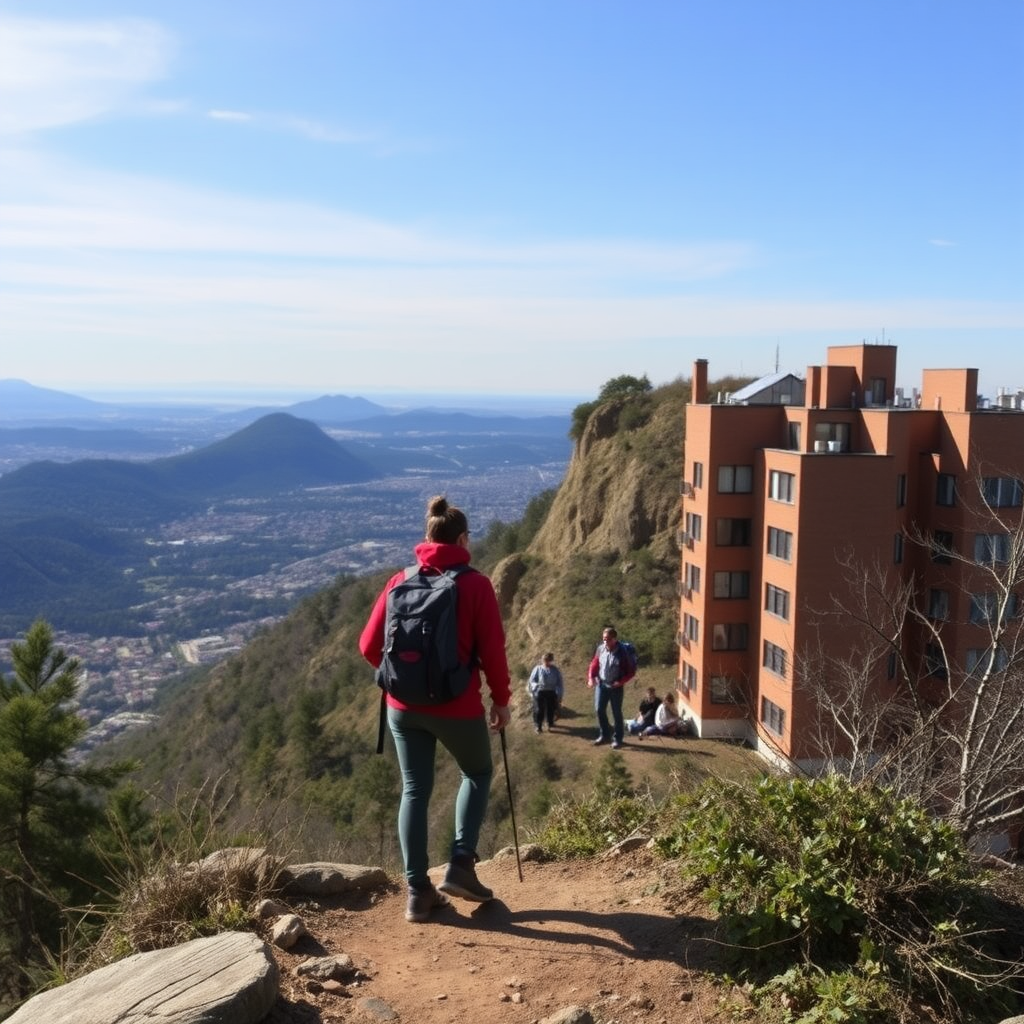
Meanwhile, urban hiking is one of the most popular methods by which people combine the excitement of exploration with city conveniences. Other than traditional trekking, which generally takes place in wilderness areas, forests, or mountainous areas, urban hiking occurs right within the heartbeat of bustling cities. Whether it be a park, staircases, or historic enclaves, urban hiking offers an opportunity to find those hidden corners within a city on foot.
Table of Contents
What is this thing called urban hiking?
At its core, urban hiking is a form of touring an urban environment on foot, often over long distances, much as in traditional hiking. Instead of making one’s way through nature, however, the urban hiker navigates streets, alleys, staircases, and sometimes even rooftops to take in the diverse landscapes and cultural richness that cities offer. It is flexible; some people tailor their routes around personal interests, historic landmarks, or architectural marvels.
One of the big positives of urban hiking is that it’s accessible. Whereas traditional hiking involves traveling to parks or mountain ranges, urban hiking can be performed right where one lives or works. Even huge cities like New York, Tokyo, and Paris have great walking routes that will test even the seasoned hiker, while smaller cities may boast paths through lively neighborhoods or along waterfronts.
Why Urban Hiking?
Urban hiking offers a new take on adventure to those who love to hike but who cannot always get out on natural trails. Some of the top motivations to take up urban hiking include:
Convenience: Your front door can be the beginning point of an urban hike without the necessary hour drives up to trailheads. This is pretty important for city dwellers who don’t have the option to go on hikes in other, more remote locations.
Cultural/Historical Exploration: On a hike in a city, the architectural building landmarks, street art, and/or cultural attractions could easily be found. Every turn could expose a historic monument, a hideaway café, or a brilliant mural. History buffs and culture lovers alike, urban hiking offers an active way of learning about the past and present of a city.
Health Benefits: Similar to other types of hikes, urban hikes are a very good way of staying fit. You would climb stairs, hills, and flat roads-that is an all-over work-out. The health benefits are just like those of regular hiking: cardio fitness, mood improvement, and weight loss-without having to take the time to get out of the city.
Sustainability: This is a green mode of transport-the urban hike is a means for exercise, fresh air while you’re at it. You lower your carbon footprint since you are not driving or taking public transportation.
Social and Solo: Whether you prefer a quiet, meditative walk alone or prefer hiking with friends, urban hiking fits with both. Many cities now have either an urban hiking club or meetup group that offers the chance for some social time as well for those enjoying hiking as much as exploration of the city.
How to Plan Your Urban Hike
Planning an urban hike is relatively easy, and you’re free to create a route that suits your interests. To get started with planning, here’s basically what you should do:
Research Your Route: Just like traditional hiking, preparation’s paramount to any successful urban hike. You can plan your route on apps like Google Maps, among other specialized urban hike apps. Inquire about interesting landmarks, parks, or pedestrian-friendly zones.
Wear the right gear: Just because urban hiking is in a city doesn’t mean you won’t want to wear comfortable hiking shoes that provide good support, especially if your route includes hilly streets or stairways. Bring a backpack with water, snacks and weather-appropriate gear such as a jacket or hat.
Be Safe: Be constantly aware of the environment surrounding you, especially if one has never spent time in certain neighborhoods. Stay in areas that are well-lit and populated, and follow general safety, such as letting someone know your route when going alone on a hike.
Mix it Up: Part of the fun in urban hiking is in the little contrasts of environments you can have in one day. You can start off in a city park, transition into commercial areas, and finish your hike at a waterfront or a museum. Changing landscapes keep the hike dynamic and engaging.
Popular Urban Hiking Destinations
It is the asset of layout, geography, or cultural offerings that some cities have that really can be well-suited for urban hiking. Let me name a few popular destinations in the world that offer unique hiking experiences:
- San Francisco, USA: With iconic hills and famous staircases, San Francisco is considered a dream destination for the urban hiker. Trails like the Lyon Street Steps or the Filbert Street Steps provide both a challenge and breathtaking views over the Bay Area.
- Hong Kong: From natural reserves to high-rise buildings, Hong Kong offers urban hiking trails that pass through bustling streets to lush mountains. Arguably the most famous, Dragon’s Back is technically outside of the city center, but accessible enough by public transportation that it doesn’t pose a problem-and boasts fantastic city and sea views.
- Paris, France: The City of Light allows for a more relaxed urban hike. Hike through charming areas like Montmartre, working your way up the cobblestone streets to the sweeping views of Paris at Sacré-Cœur or take a relaxing walk along the Seine River, with its mix of history, culture, and iconic architecture.
- New York City, USA: NYC is one vast city, full of options to go urban hiking. While Central Park offers a green oasis, areas like the High Line-a park built on an elevated rail track-offer a far more unique hiking experience through the skyscrapers of the city.
- Tokyo, Japan: It is an interesting city for an urban hiker, as besides the ultra-modern, there is a neat balance of ultra-traditional. Take a walking tour through a neighbourhood like Asakusa or Yanaka, and you might think you have stepped into a time warp; take routes that go through places like Shibuya or Shinjuku, on the other hand, and you get the thrilling opposite side of city life-high energy.
The Future of Urban Hiking
It will also be one of the most evident trends in activities as cities are made more walkable and sustainable. With urban planners increasingly focusing on green spaces, pedestrian zones, and available walking paths, urban hiking becomes a centerpiece for city living. It also encourages a way of looking at cities with new eyes and helps people get connected with their surroundings and the community.
Conclusion
The city walk is more than a hike; it is an adventure to be uncovered. Whether one is a seasoned hiker looking for new exploration of surroundings or avid walkers ready to uncover the hidden treasures of their city, urban hiking offers a thrilling combination of fitness, culture, and exploration. So, tie those laces, grab a map, and hit the road with your urban hike today.
1 thought on “Urban Hiking: A New Face in Town”