
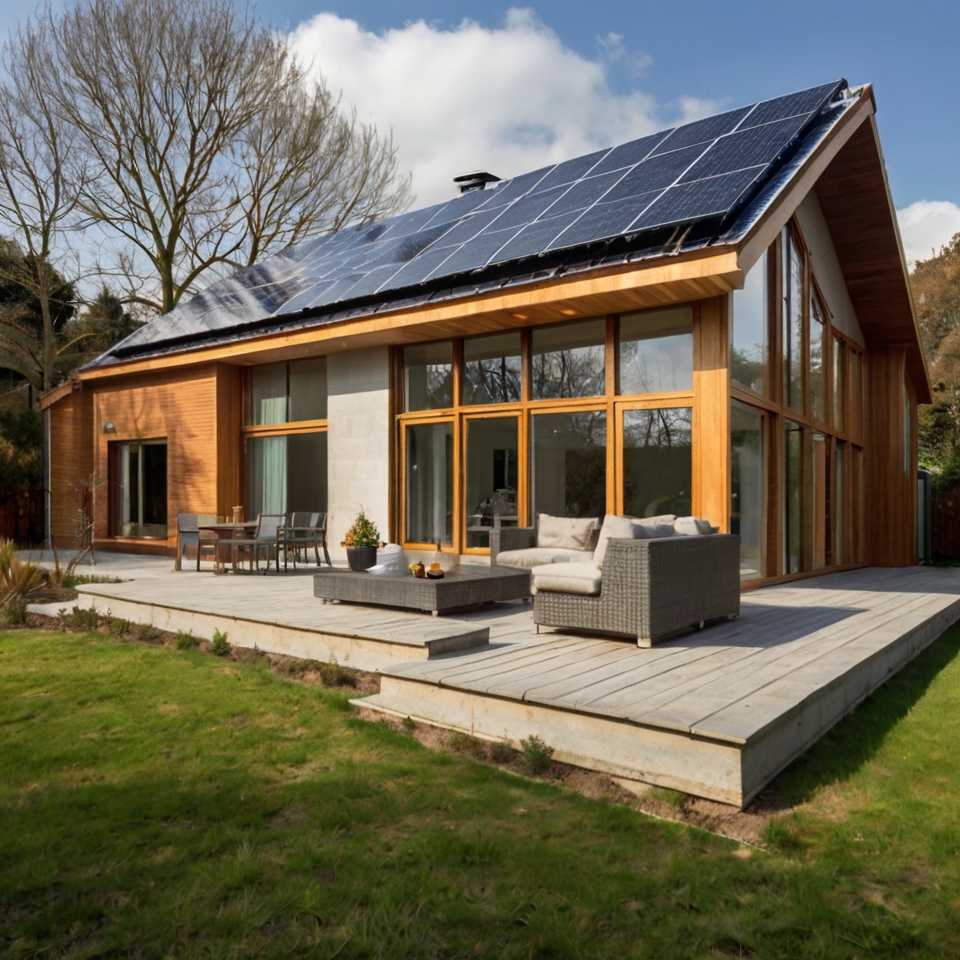
Living off the grid in the future will be a highly sought-after means of seeking independence and sustainability.
The world is facing rising environmental difficulties, urban overcrowding, and energy and natural resource demands. Off-grid living is increasingly one solution considered for the future. What was once a very fringe lifestyle has now become mainstream, pursued by individuals who seek out independence, sustainability, and reduced reliance on traditional systems such as energy grids, water supplies, and urban infrastructures.
Off-grid living might, in the near future, be far more for many than a practical lifestyle but an essential part of adapting to shifting global conditions. The futures of off-grid living are promising and transformative as technologies shift, environmental priorities change, and the craving for self-sufficiency grows.
Table of Contents
What is Off-Grid Living?
The term off-grid living describes persons or families dislocating themselves from those utilities provided by the municipalities, such as the electrical grid, water systems, and sewage. In place of this lifestyle, people out of it depend on renewable energy sources like solar, wind, or hydroelectricity; harvest and purify their own water; and sometimes grow their own food. This way of living gives a person an extraordinary sense of independence, sustainability, and environmental stewardship.
While many live off-grid in rural and far-flung areas today, the times ahead may well be rounded by off-grid communities and homes even within cities and towns. As these technologies evolve further and more people across the globe familiarize themselves with the environmental and economic advantages, off-grid living could shape up as the mainstream alternative to living modernly.
Why Off-Grid Living Will Be Crucial in the Future
1. Energy Independence and Sustainability
Perhaps the most significant reasons why off-grid living will soon become a necessity are that it is built upon energy independence and sustainability. With the rate at which climate change has been escalating, and the further stretching of fossil fuel resources, conventional energy grids will become more and more vulnerable to interruptions. Off-grid homes, powered by renewable energy sources such as solar, wind, and geothermal, provide resilient alternatives to fossil fuel-based grids.
Advancements in the field of renewable energy technologies-solar panels now more efficient, battery storage systems, wind turbines-all make personal production of electricity easier and more accessible for any individual. It is believed that energy independence in the future will no longer be a luxury but rather a necessity, especially in the areas more prone to disasters brought about by climate change or political unrest.
2. Climate Resilience
From extreme weather events to shifting agricultural zones, the effects of climate change can already be felt across the world. Off-grid living fosters resilience toward these changes by building systems that are self-sufficient and capable of adaptation. Designing or building an off-grid home means it requires fewer resources and is able to generate its own power; hence, it can stay functional during disruptions such as power outages, water shortages, or fuel crises.
In the future, off-grid homes will likely also look to advanced environmental design features that include passive solar heating, new energy-efficient materials, and water conservation systems. This will be enabling them to thrive under changing weather conditions of a shifting climate with minimal reliance on infrastructure that may become less reliable.
3. Urban Off-Grid Living
Historically, off-grid living was associated with rural or remote areas, where land was plentiful and people had more space to create their self-sufficient systems. But in the future, this may well be different; urban off-grid living could thrive as cities become overcrowded and resources such as water and electricity begin to tighten.
Off-grid urban living might be community-based microgrids, whereby locals share renewable energy sources, or it might take the form of individual homes equipped with solar panels, rainwater harvesting, and greywater recycling. Innovations in such gardening technologies as vertical gardening and aquaponics together with other space-saving farming techniques will enable urban dwellers to produce their food on very limited spaces.
In the future, cities can also be planned on an off-grid basis, with all energy and water management decentralized-thereby removing dependencies on vast, unsustainable infrastructures. As increasingly more people seek out ways of living urbanly sustainably, the line between living on-grid and living off-grid will blur.
4. Technological Advancements and Accessibility
Within the next several decades, technologies enabling off-grid living will be far more advanced and accessible. Presently, with an off-grid home, great investment has to be made in its development in general, especially in renewable energy systems and water management infrastructure. For the future, lower costs, greater efficiency, and increased diffusion of these technologies should be anticipated.
Improvements in energy storage, like next-generation batteries, will allow individuals to store even more of the energy created by solar and wind for use on cloudy or calm days when the supply is reduced. Smart homes will also help optimize energy use so that people can better monitor and manage their use.
Aside from that, AI and automation have great potential to completely change the way one goes about living off the grid. Energy production, automated systems, water consumption management, and waste processing may be managed with as little human intervention as possible, and therefore would make it even easier to live off the grid and reduce the learning curve for new adopters.
5. Decentralized Communities and Co-living Models
The decentralized self-sufficient community may also be a future face of off-grid living. They will, in that case, be communities designed with the intention of functioning independently from centralized services, through shared resources of renewable energy, water, and food production. Cooperative models of living off the grid in small groups might gain more popularity as people seek community and shared sustainability goals.
These communities would use shared knowledge, resources, and infrastructure to lower costs and individual efforts. They could lower barriers to entry for those who want to live sustainably but perhaps do not have the resources to create an individual homestead by commingling resources for larger solar farms, community gardens, or shared water systems.
Besides off-grid communities, co-living models might be one of the emerging answers to growing claims for housing and, more generally, sustainable living. Future neighborhood or apartment complexes could become self-sufficient with their own off-grid neighborhoods, sharing spaces for food production, water collection, and renewable energy production.
Challenges and Solutions for Future Off-Grid Living
While the prospect for off-grid living remains very bright, many big hurdles stand in the way: legal, financial, and the need to increase education about sustainability.
Regulatory and Legal Barriers
Most of the world still has different kinds of building codes and local regulations that make it difficult to consider living off the grid completely. That would mean update zoning laws, building codes, and energy policies by governments because more people are becoming interested in off-grid, sustainable living.
High Initial Costs
While often vastly less expensive in the long run, off-grid living can be extremely costly in its initial investment phase when it comes to renewable energy installations, water management solutions, and the like. In short, renewable technologies need to keep becoming more affordable and more accessible, while financing options must expand if the transition is to unfold.
Living off the grid involves learning energy management, water conservation, and food production. In the future, educational programs in both schools and online training will become critical to teaching a more general audience these necessary skills. Local and virtual communities of off-the-grid enthusiasts will be a major driver of innovation and knowledge sharing.
Conclusion
Off-grid living is the future wherein individuals and the community can have full control over resources, live sustainably, and lessen impacts on the environment. Due to ongoing challenges in climate change, resource depletion, and economic instability, off-grid living is more apt to shift from a niche lifestyle to a widely embraced solution.
This will be enabled by rapid technological changes, shifting societal values, and growing consciousness of the need to live more in harmony with the environment. Whether off-grid rural or city living, this lifestyle offers a resilient, self-sufficient, and genuinely ecological pathway for the coming generation.
3 thoughts on “Off-Grid Living in the Future: 5 amazing advices to independence”